
FREE RESOURCES
Practical tools for
the work in front of you
Explore free trauma-informed and human-centered resources for leadership, implementation, team culture, staff wellbeing, communication, and people-centered practice.
Begin with one useful tool. Each resource is designed to help you notice what is happening, try a practical next step, and identify where deeper learning or support may be useful.
You do not need a complete plan.
Start where the need is most visible.
Leadership • Implementation • Team culture • Staff wellbeing •
Courts • Chefalo Core 5
A PRACTICAL PLACE TO BEGIN
Free resources should help you do something useful now and make the next decision clearer.
NOTICE
Clarify what is happening
Use an overview, check-in, or reflection to name the need and understand what may be present.
.png)
PRACTICE
Try one useful tool
Use a script, checklist, grounding practice, meeting resource, or other practical starting point.
.png)
CONTINUE
Build from what you learn
Follow the recommended pathway into deeper learning, team support, or implementation when needed.
.png)
One resource. One primary next step. No pressure to do everything at once.
START HERE
Not sure which resource fits?
Begin with the Resource Map.
The Resource Map helps you begin with the need you are addressing rather than sorting through formats, titles, or every available option. Choose the question closest to what is happening now, then follow the suggested starting point.
CHEFALO CONSULTING RESOURCE MAP
What are you trying to move forward?

Understand
the approach
.png)
Lead
differently
.png)
Help a team work better
.png)
Support staff wellbeing
.png)
Move into implementation
.png)
Strengthen people-centered practice
Choose by need. See a useful starting point.
Understand what may come next.
ONE MAP. CLEARER OPTIONS.
Find a starting point without having to understand the entire portfolio
The Resource Map is designed for visitors who know what they are trying to address but are unsure which free resource, course, toolkit, training pathway, or implementation option may be most relevant.
It organizes the available pathways around practical questions and points you toward one useful place to begin.
01
BEGIN WITH THE NEED
Choose what you are trying to understand or change
Start with leadership, implementation, team culture, staff wellbeing, courts, or another practical area of need.
02
SEE THE STARTING POINT
Find the most relevant free or accessible entry
The map may point to a free resource, a reflection tool, a guide, a course, or another initial step.
03
UNDERSTAND THE PATHWAY
See where deeper support may become useful
Each starting point connects to one primary next step rather than asking you to compare every possible offer.
Already know what you need?
The Resource Map may direct you to free resources, paid self-guided tools, training, or implementation support depending on the need you select.
BROWSE BY NEED
Find the free resource that fits
what you are working through
The library is organized around the need you are addressing, not the format of the download. Explore the categories below, then visit the individual resource page for details, access information, and a recommended next step.
SHARED AGREEMENTS +
DAILY PRACTICE
Chefalo Core 5
Begin with a practical framework for connecting trauma-informed and human-centered values to daily behavior, relationships, communication, and organizational practice.
Free introduction
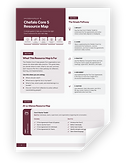
Start Here: Chefalo Core 5 Resource Map
Best for: Leaders, teams, internal champions, and organizations building shared language.
Explore the five agreements, notice where they may already be present, and identify a practical place to begin using them more intentionally.
Format: Digital introduction and resource map
LEADERSHIP + SUPERVISION
Lead with greater awareness and intention
Explore how stress, nervous-system responses, communication, decisions, trust, and accountability may shape the way leadership is experienced.

Free learning experience
Trauma-Informed Leadership 101
Best for: Leaders, managers, supervisors, and emerging leaders.
Build a foundational understanding of trauma-informed leadership and consider how leadership practices may affect safety, trust, communication, and workplace culture.
Format: Free introductory learning resource
FROM AWARENESS TO PRACTICE
Move the work into the organization
Use these resources to understand what implementation requires, examine current readiness, and begin identifying practical structures and next steps.

Free overview
Implementation Overview
Understand the differences among trauma-informed awareness, training, and implementation, and see what begins to change as the work moves into daily organizational practice.

Free guide
Implementation Jumpstart Guide
Use practical questions and early planning prompts to clarify what has already been built, where progress may be getting stuck, and what may need attention next.
RELATIONSHIPS + TEAM PRACTICE
Support clearer, more
human ways of
working together
Find practical tools for communication, structured connection, working through difference, relationship-building, and team reflection.

Free checklist
Community
Meeting
Checklist
Prepare for and facilitate check-ins that create intentional communication.

Free reflection guide
Working Through
Difference Reflection
Guide
Pause to consider what is happening, what may be contributing to tension, and how to approach the conversation more intentionally.

Free scripts
Relationship-Building
Scripts
Use practical language to begin conversations, strengthen connection, clarify needs, and respond more thoughtfully during everyday workplace interactions.
STRESS + REGULATION + WELLBEING
Notice stress and support steadier responses
Begin with practical tools for recognizing burnout, reconnecting to the present moment, and supporting regulation without suggesting that individual self-care can solve systemic conditions.

Free check-in
Burnout Check-In
Notice signs of strain, consider what may be contributing and identify where attention may be useful.

Free printable
5-4-3-2-1
Grounding Poster
Pause to consider what is happening, what may be contributing to tension, and how to approach the conversation more intentionally.

Free practice scripts
Mindfulness Meditation
Pause with a short guided practice designed to support awareness, grounding, and a steadier return to the present moment.
COURTS + SECTOR PRACTICE
Explore more people-centered court practice
Begin with an introduction to trauma-informed, people-centered courtroom practice, and consider how communication, process, environment, and decision-making may affect the people involved.

Free sector overview
People-Centered Courtrooms Overview
Best for: Judges, court leaders, attorneys, court staff, and justice-system partners.
Explore foundational principles and practical considerations for creating court experiences that are clearer, more respectful, and more responsive to the people being served.
Format: Digital overview
Each free resource has one primary next step to help you continue learning, build skills, or strengthen implementation.
Visit the individual resource page to access it and see what comes next.
BUILD FROM WHAT YOU NOTICE
One useful resource can clarify
what kind of support may help next
Sometimes a free tool is enough for the moment. Sometimes it reveals a need for deeper learning, shared practice, or more structured implementation support. Choose the next step that fits what has become visible.
01
DEEPEN THE LEARNING
Continue with a course, guide, or toolkit
Choose a more complete self-guided resource when you want additional context, structure, examples, or practical tools you can use independently or with one team.
Best when: You understand the need and want a more substantial resource without beginning a facilitated engagement.
02
USE IT WITH OTHERS
Bring the learning into a team or leadership setting
Facilitated learning can help leaders and teams build shared language, reflect together, practice new approaches, and connect the material to real workplace situations.
Best when: The work requires discussion, application, shared understanding, or coordinated learning.
03
BUILD IT INTO PRACTICE
Move from a useful idea into organizational implementation
Consulting may be useful when the challenge involves leadership alignment, recurring patterns, governance, ownership, communication, accountability, or sustained follow-through.
Best when: The issue cannot be resolved by one person, one training, or one downloadable resource.
The right next step is the one that matches the level of change you are trying to support.
You can begin with a resource, build shared learning, or explore implementation support as the need becomes clearer.
Still deciding what fits? Return to the Resource Map ↑
BEGIN WITH ONE USEFUL TOOL
Choose one resource and let
the next step become clearer
Free resources are most useful when they help you take one practical action, not when they become another list to save for later. Choose the tool that fits what you are facing now, use what helps, and return when another need becomes clearer.
You do not need to use every resource or know what comes after it before you begin.
Ready for a more complete self-guided resource?